Sustainable Solutions: How E-Waste Recycling Services Are Saving Our Planet
Electronic waste presents serious dangers to the environment, as disposed electronics frequently harbor hazardous substances. Such dangerous compounds can pollute soil and water supplies, leading to broader ecological damage. Electronic waste recycling programs offer an effective remedy. They serve the dual purpose of reclaiming precious materials and reducing contamination. Comprehending the operation of these services and their influence on communities is of great importance. Pursuing efficient e-waste management brings forth pressing questions regarding individual duties and shared responsibility. What measures can be pursued from this point onward?
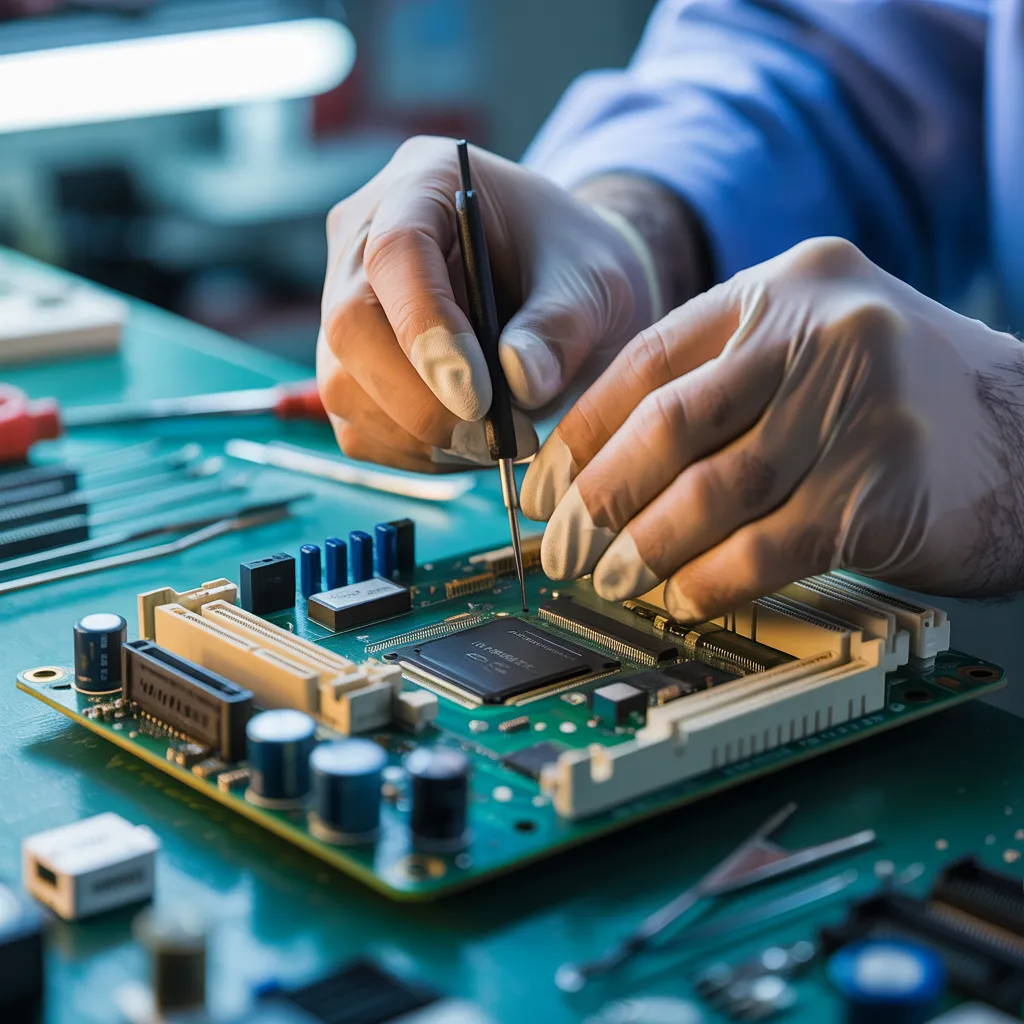
Why E-Waste Poses a Threat to the Planet
Although technology enhances our daily lives, e-waste creates considerable environmental hazards. Abandoned electronic gadgets, frequently composed of hazardous materials such as cadmium, lead, and mercury, are capable of seeping pollutants into the surrounding soil and water supply, presenting dangers to ecosystems and human health. The swift progression of technology results in greater consumer replacement of electronic devices, worsening the buildup of electronic waste.
Landfills, already overwhelmed with refuse, find it difficult to handle the increasing amounts of discarded devices. Incineration, another disposal method, releases harmful pollutants into the atmosphere, contributing to air quality degradation. Moreover, poor recycling procedures can cause e-waste to be sent to developing regions, where employees may disassemble electronics without sufficient safety precautions, leaving them vulnerable to harmful substances. This ongoing cycle of carelessness and inadequate management emphasizes the pressing necessity for responsible recycling initiatives that can lessen the harmful consequences of e-waste on our world.
What Is E-Waste and Its Importance?
E-waste, also referred to as electronic waste, includes unwanted electronic equipment like televisions, computers, and smartphones that are no longer functional or needed. This rapidly expanding waste category is noteworthy owing to its accelerating volume, fueled by innovation in technology and shifting consumer habits. With an increasing number of devices reaching obsolescence, the toll on the environment grows more severe, with dangerous elements including lead, mercury, and cadmium posing risks to ecosystems and human health.
Addressing e-waste is crucial not only for reducing these dangers but also for acknowledging the precious materials found within it. Precious metals and rare earth elements can be recovered and reused, reducing the need for mining and conserving natural resources. With a thorough understanding of e-waste and its impact, people and organizations alike can make educated decisions about disposal and recycling, helping to build a more sustainable world. Proper management of e-waste is essential for fostering a circular economy and promoting environmental stewardship.
How E-Waste Recycling Works
E-waste recycling entails an organized procedure aimed at reclaiming useful resources while limiting ecological damage. To begin, electronic waste is gathered and delivered to dedicated processing centers. Upon arrival, the devices undergo thorough sorting to distinguish harmful elements from reusable resources.
Following this, employees dismantle the devices, removing metals, plastics, and glass. This phase is essential, as it allows for the extraction of precious metals like copper, gold, and silver, which may be utilized in modern electronics.
Afterward, the isolated materials are processed through sophisticated techniques, such as shredding and specialized chemical treatments, to purify them for reuse.
In the final step, the residual hazardous waste is handled with responsibility, complying with environmental guidelines. This multi-step approach not only saves important resources but also reduces the dangers linked to unsafe e-waste handling, securing a more eco-conscious future for electronic device usage.
Benefits of E-Waste Recycling for You and Your Community
While many individuals may not realize it, the benefits of e-waste recycling go far beyond individual benefit and actively shape entire communities. By properly recycling electronic waste, individuals contribute to a safer environment, minimizing hazardous materials that can leach into soil and water. This forward-thinking practice works to protect local ecosystems and advances public health.
Additionally, the recycling of e-waste encourages employment opportunities within local communities. Nearby recycling establishments regularly need employees for various operations, from collection to processing, consequently creating meaningful employment for local residents. This not only boosts the local economy but also encourages community engagement in sustainable practices.
Moreover, awareness of e-waste recycling has the potential to generate learning opportunities, encouraging residents to adopt eco-friendly choices. By participating in e-waste recycling programs, individuals nurture a culture of sustainability, motivating others to embrace similar practices. Ultimately, the combined impact of these actions can result in a more strong and environmentally aware community.
How to Select an E-Waste Recycling Service
Choosing the most suitable e-waste recycling service is vital for ensuring that e-waste is processed in a responsible and sustainable manner. Initially, consumers should check the provider's credentials, such as R2 and e-Stewards certifications, which signify compliance with established benchmarks for safe recycling practices. It is equally important to assess the provider's reputation by checking reviews and obtaining recommendations from trusted sources.
Furthermore, transparency in the recycling process is vital. A reliable company should provide clear information about how e-waste is processed and what happens to the materials. Moreover, evaluating the range of services offered can be beneficial; some companies may provide pickup services or offer incentives for recycling.
Furthermore, familiarizing yourself with area-specific requirements for e-waste disposal can help inform the evaluation process. By prioritizing these factors, individuals can contribute to effective e-waste management as well as promoting green and responsible behaviors.
How You Can Get Involved in E-Waste Recycling?
Participating in e-waste recycling can start at the local level, where local recycling facilities frequently offer essential services for proper disposal. Furthermore, taking part in community awareness campaigns can amplify efforts to raise awareness about the importance of ethical e-waste practices. These actions not only advance environmental sustainability but also foster a collective sense of responsibility toward the environment.
Regional Recycling Centers
A wide range of neighborhood recycling stations play an essential role in electronic waste recycling, supplying communities with reliable ways to manage electronic waste appropriately. These facilities handle a selection of electronic devices, including aging computers, cell phones, and television sets, guaranteeing that dangerous substances are processed safely. The majority of facilities employ experienced team members who can guide individuals on proper disposal methods, highlighting the value of recycling rather than landfilling. In addition, many centers offer organized drop-off opportunities or appointed collection periods, making participation convenient Click here for residents. By taking advantage of these neighborhood resources, people help build a circular economy, minimizing ecological impact and fostering sustainable behaviors. Engaging with these centers allows communities to address e-waste pollution proactively.
Community Outreach Campaigns
Nearby organizations, schools, and enterprises can work together to organize events that support e-waste collection drives. Community members can serve a critical function in promoting knowledge, handing out educational content, and interacting with the surrounding community. Through these collective efforts, community members grow more knowledgeable and inspired to dispose of their electronics responsibly, ultimately contributing to a more sustainable future.
Questions We Often Receive
What Types of Electronics Can Be Recycled?
Various electronics may be recycled, including laptops, televisions, smartphones, printers, computers, and gaming consoles. Additionally, ancillary devices such as batteries, keyboards, and mice are equally appropriate for recycling, contributing to eco-friendly conservation initiatives.
Do Any Costs Come With E-Waste Recycling?
Yes, electronic waste recycling sometimes comes with costs, depending on the service provider. Certain providers impose charges for gathering or treatment, while others provide no-cost solutions, frequently supported by the proceeds from salvaged materials.
How Can Businesses Benefit From E-Waste Recycling?
Organizations can gain from e-waste recycling by minimizing disposal costs, improving their green reputation, complying with regulations, reclaiming useful materials, and possibly earning income through resale, thus supporting a greener and more sustainable operational framework.
What Happens to Data on Recycled Devices?
Information on repurposed electronics is often completely removed or destroyed during the refurbishment process. This confirms confidential data is kept safe, blocking unwanted intrusion while allowing components to be repurposed safely and responsibly across new manufacturing processes.
Are Broken Electronics Eligible for Recycling?
Indeed, broken electronics may be recycled. Several centers accept defective devices, ensuring safe disposal and recovery of recoverable materials. It helps decrease harm to the environment while fostering sustainable recycling habits to control electrical waste responsibly.
Comments on “Electronics Recycling Services: Professional E-Waste Solutions for Offices”